Find waterproof mineral spot treatment for Water Treatment, Minerals Recovery, and Industry
Source 30 verified products for waterproof mineral spot treatment used in water treatment, minerals recovery, and industrial applications. Compare specifications, pricing, and delivery options from suppliers in China.
Key considerations
Products List






Comprehensive Sourcing Guide
Strategic Sourcing Guide for Waterproof Mineral Spot Treatment Solutions
Understanding Product Attributes and Technical Specifications
When sourcing waterproof mineral spot treatment solutions, buyers must first distinguish between the various physical forms and chemical properties available in the current market. The product landscape is diverse, ranging from solid powders to liquid formulations, each serving distinct application needs. Based on current market observations, the physical appearance of these agents varies significantly. Some products are supplied as a yellow powder, characterized by high purity levels, while others are presented as liquids with specific concentration standards, such as 14% or varying percentages between 28% and 30%. This variation dictates the handling and application methods required during the procurement process.
The chemical nature of these agents is equally critical. The market offers solutions with distinct acid-base properties. Buyers may encounter acidic surface disposal agents designed for specific mineral recovery scenarios, as well as neutral surface disposal agents suitable for broader industrial applications. The choice between acidic and neutral formulations depends heavily on the target mineral composition and the desired environmental impact. Furthermore, the product condition is typically listed as "New," indicating fresh manufacturing cycles, which is essential for maintaining the efficacy of chemical treatments.
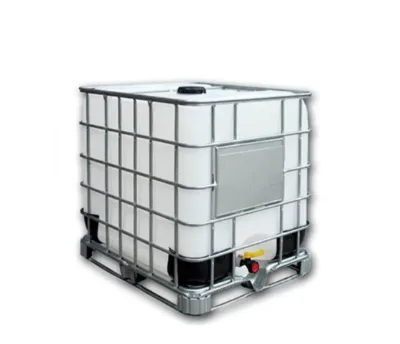
Packaging standards also play a pivotal role in the logistics and storage of these materials. Suppliers offer a wide array of packaging options to accommodate different order volumes and shipping requirements. Common configurations include 25kg woven bags with polyethylene (PE) inner liners, 20kg PE bags, and large-scale 800kg or 250kg drums. For bulk industrial needs, containerized shipping and 1250kg IBC drums are standard. Some specialized equipment or larger scale treatments may require wooden cases or specific containerized units. The selection of packaging must align with the buyer's storage infrastructure and the intended delivery timeline, as the physical form (solid vs. liquid) directly influences the packaging strategy.
Compliance, Certification, and Environmental Standards
In the realm of industrial chemical procurement, verifying compliance and certification is a non-negotiable step. While specific certification statuses for every product cannot be universally asserted without individual verification, the market demonstrates a strong trend toward environmental protection and regulatory adherence. Many suppliers explicitly state that their products offer "Environmental Protection" features, which is a primary consideration for modern procurement strategies.
Buyers should rigorously verify certification claims against recognized international standards. The market data indicates the presence of certifications such as REACH and WQA, which are critical for products intended for water treatment and environmental safety. Additionally, some specialized equipment or chemical systems may reference standards like ISOSalt, with performance metrics such as a 98.0% rejection rate, though these figures must be validated against the specific product datasheet. The presence of CE certification is noted in background data, but buyers should treat this as a general market indicator rather than a guaranteed attribute for every listed item without direct confirmation from the supplier.
When evaluating compliance, the focus should extend beyond the product itself to the manufacturing process and the supply chain. The origin of the products is a key factor, with major manufacturing hubs located in regions such as Jiangsu, Weifang, and Zhangjiagang in China. These locations often host facilities that adhere to specific national and international standards. Buyers must request documentation proving that the specific batch of waterproof mineral spot treatment meets the required environmental and safety standards for their jurisdiction. This includes verifying the purity levels, which are often described as "High," and ensuring that the acid-base properties align with local disposal regulations.
Cost Drivers and Pricing Dynamics
The pricing structure for waterproof mineral spot treatment solutions is influenced by a complex interplay of factors, including chemical composition, packaging, and order volume. The observed price range in the market is exceptionally broad, spanning from $0.12 to $5,000,000. This vast disparity reflects the difference between small-scale chemical additives and large-scale industrial machinery or complete treatment systems. For buyers focusing on the chemical agents themselves, the cost is generally driven by the purity, concentration, and the specific packaging requirements.
Cost efficiency is a significant driver in this sector, with many products marketed as having "Low" cost profiles. This affordability is often achieved through optimized manufacturing processes and economies of scale, particularly in regions with high production capacity. However, the "Low" cost attribute should not be conflated with low quality. The market data highlights that superior performance is a common attribute, suggesting that cost-effective solutions can still deliver high efficacy in mineral recovery and water treatment applications.
Order volume, represented by the Minimum Order Quantity (MOQ), is another critical cost determinant. The observed MOQ range extends from 1 unit to 10,000 units. Buyers with smaller requirements can access the market with minimal financial commitment, while large-scale industrial operations can leverage bulk purchasing to reduce unit costs. The supply mode, often described as a "One-Stop Solution," can also impact the total cost of ownership by consolidating procurement, shipping, and installation services. Buyers should analyze the total landed cost, including packaging, shipping, and potential customization fees, rather than focusing solely on the unit price.
Typical Applications and Performance Capabilities
The versatility of waterproof mineral spot treatment solutions is evident in their wide range of applications. The primary use case identified in the market is water treatment, where these agents play a crucial role in managing water quality and facilitating mineral recovery. The specific application of "Minerals Recovery" is highlighted as a key function, indicating that these products are essential for industries involved in mining, metallurgy, and resource extraction.
Beyond mineral recovery, these agents are utilized in industrial settings for sewage treatment. The classification of products as "Sewage Treatment Chemicals" underscores their importance in environmental management and wastewater processing. The ability to function as both acidic and neutral surface disposal agents allows them to be adapted to various industrial scenarios, from treating acidic mine drainage to neutralizing alkaline waste streams. The performance of these products is generally described as "Superior," suggesting high efficacy in their intended applications.
The capacity of the treatment systems associated with these products is another vital consideration. The market features systems with varying capacities, ranging from 100 gallons to 2-2000 tons per hour. This scalability allows buyers to select solutions that match their operational scale, whether for a small pilot plant or a large-scale industrial facility. The installation requirements, which can be both indoor and outdoor, further enhance the flexibility of these applications. Buyers should ensure that the selected product's capacity and application profile align with their specific operational needs and environmental constraints.
Supplier Evaluation and Manufacturing Capabilities
Selecting the right supplier is a critical step in the procurement process, requiring a thorough evaluation of manufacturing capabilities, delivery reliability, and after-sales support. The market data indicates that suppliers often provide "Quick" delivery, which is essential for maintaining operational continuity. However, the manufacturing period for larger systems or customized solutions can range from 3 to 12 months, necessitating advanced planning and lead time management.
Supplier evaluation should also focus on the technical support and service infrastructure. Many suppliers offer "Engineers to Service Machinery Overseas," a valuable feature for international buyers who require on-site installation and troubleshooting. This level of support ensures that the equipment or chemical systems are installed correctly and operate efficiently. The supply scope is often comprehensive, including packaging and installation services, which simplifies the procurement process for the buyer.
When assessing suppliers, buyers should verify the origin of the products and the specific manufacturing standards. Products originating from Jiangsu, Weifang, and Zhangjiagang are common, and these regions are known for their industrial capabilities. Buyers should request detailed information about the production facility, including the condition of the machinery (typically "New") and the output capacity, which can range from 5000 liters per hour to much larger scales. The ability of the supplier to provide customization is another key factor, as it allows for tailored solutions that meet specific operational requirements.
Quality Control and Long-Term Procurement Considerations
Ensuring consistent quality is paramount in the procurement of waterproof mineral spot treatment solutions. Quality control measures should be integrated into the procurement strategy, focusing on the verification of product attributes such as purity, color, and chemical properties. The market data suggests that high purity is a standard expectation, but buyers must verify this through third-party testing or supplier-provided certificates of analysis. The color of the product, whether yellow or clear, can also serve as an indicator of quality and consistency.
Long-term procurement considerations involve building a sustainable relationship with suppliers that can adapt to changing market conditions and operational needs. The availability of customization allows buyers to modify products as their requirements evolve. Additionally, the supply mode, often described as a "One-Stop Solution," facilitates long-term planning by consolidating various procurement needs into a single partnership. Buyers should also consider the environmental impact of the products, ensuring that they align with their corporate sustainability goals.
The packaging and storage requirements are also critical for long-term quality assurance. The variety of packaging options, from 25kg bags to 1250kg IBC drums, must be matched with the buyer's storage capabilities to prevent degradation or contamination. Regular quality audits and performance reviews should be conducted to ensure that the products continue to meet the required standards over time. By focusing on these aspects, buyers can secure a reliable supply chain that supports their operational efficiency and environmental compliance objectives.
Comparison of Key Product Attributes
To assist buyers in making informed decisions, the following table summarizes the key attributes observed in the market for waterproof mineral spot treatment solutions. This comparison highlights the diversity of options available and the specific factors that should be considered during the sourcing process.
| Attribute Category | Observed Variations | Key Considerations for Buyers |
|---|---|---|
| Physical Appearance | Powder (Yellow), Liquid | Determine handling requirements and storage needs based on form. |
| Acid-Base Property | Acidic, Neutral | Match chemical properties to the specific mineral or waste stream. |
| Purity Level | High | Verify purity through certificates of analysis for critical applications. |
| Packaging Options | 25kg/20kg Bags, 250kg/800kg Drums, IBC, Wooden Cases | Select packaging that aligns with storage capacity and shipping logistics. |
| Application Scope | Water Treatment, Mineral Recovery, Sewage, Industry | Ensure the product is certified and optimized for the specific use case. |
| Capacity Range | 100 Gallon to 2000t/H | Match system capacity to operational throughput requirements. |
| Origin Locations | China (Jiangsu, Weifang, Zhangjiagang) | Verify manufacturing standards and logistics capabilities of the origin. |
| Performance Claims | Superior, Low Cost | Validate performance claims through pilot testing or reference checks. |
This structured approach to sourcing ensures that buyers can navigate the complex landscape of waterproof mineral spot treatment solutions with confidence, making decisions based on verified data and strategic evaluation rather than assumptions.
FAQs
What forms do waterproof mineral spot treatment agents take?
These agents are available as yellow powder or liquid formulations. The solid form often comes in 25kg bags, while liquids may be supplied in drums or IBC containers depending on concentration and volume requirements.
Can I customize the product specifications for my needs?
Yes, customization is available for these waterproof mineral spot treatment solutions. Buyers can request specific packaging configurations or concentration levels to align with their operational scale and storage infrastructure.
What certifications are available for these chemical agents?
Products may carry certifications such as REACH and WQA for environmental safety. Some systems also reference standards like ISOSalt with high rejection rates, though specific batch verification is required for compliance.
How fast can suppliers deliver these treatment solutions?
Suppliers typically offer quick delivery for standard orders. However, manufacturing periods for larger systems or customized solutions can range from three to twelve months, requiring advanced planning for large-scale projects.
What is the minimum order quantity for these products?
The minimum order quantity ranges from one unit to ten thousand units. This flexibility allows small buyers to test products while enabling large industrial operations to leverage bulk purchasing for cost efficiency.
Where are these waterproof mineral spot treatment products manufactured?
Major manufacturing hubs are located in Jiangsu, Weifang, and Zhangjiagang in China. These regions host facilities that produce new equipment and chemicals with varying capacities to meet global industrial demands.